Charting the Sequence of Bonus Pathways in Britain's Online Slot Networks
Written by Iris Lange · Jul 23, 2026
Charting the Sequence of Bonus Pathways in Britain's Online Slot Networks
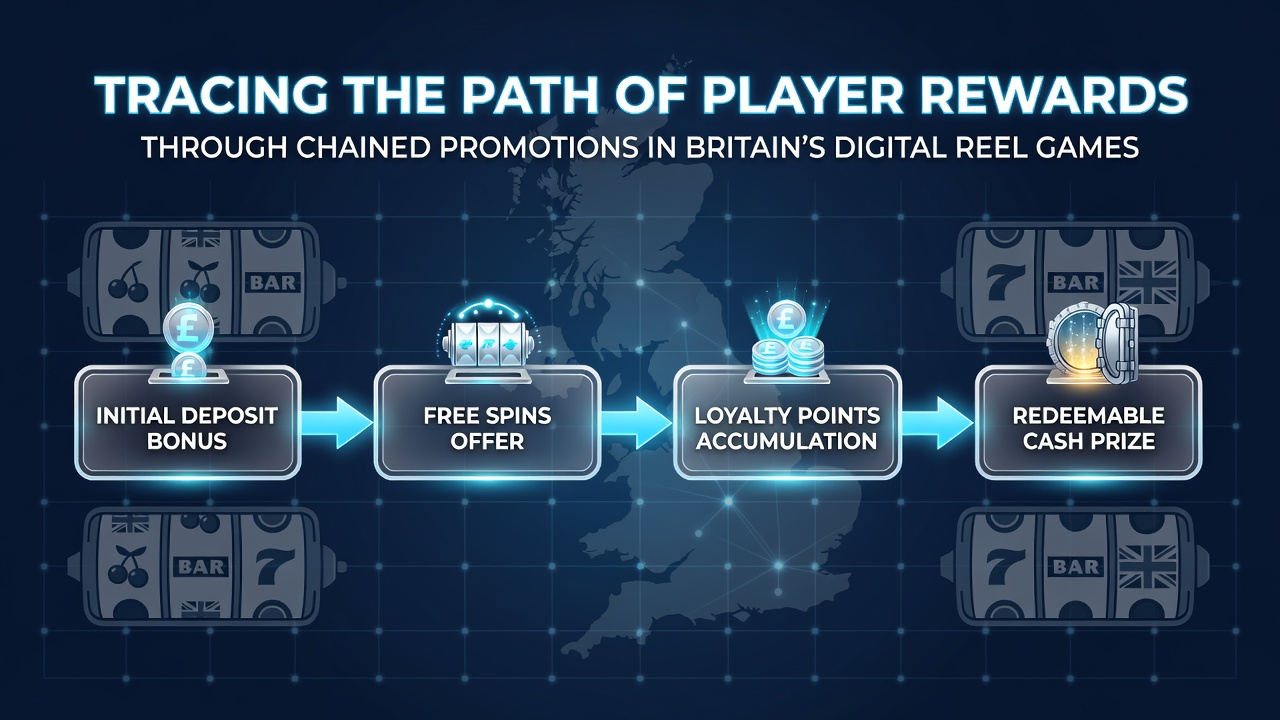
Digital slot platforms across Britain have developed intricate systems where initial rewards connect directly to subsequent offers, creating continuous sequences that guide players through multiple stages of engagement. These structures begin with entry-level incentives such as no-deposit free spins and extend through matched deposits, loyalty tiers, and conditional multipliers that activate only after prior requirements are met. Data from industry reports indicate that operators have refined these sequences to align with player activity patterns recorded in July 2026, when mobile engagement metrics showed sustained growth across multiple networks.
Initial Triggers and Their Connections
Entry points often consist of free spin allocations that require no initial funding yet impose wagering thresholds before any balance becomes withdrawable. Once those thresholds are cleared, systems automatically unlock deposit match percentages that scale according to the amount transferred and the number of prior spins completed. Observers note that such linkages reduce friction between stages because the platform tracks completion in real time and presents the next offer within the same session interface.
Research from the European Gaming and Betting Association shows that operators who maintain clear progression indicators experience higher continuation rates compared with platforms that present offers in isolation. The same analysis found that sequences incorporating both free spin and deposit elements produced measurable increases in session duration across participating markets.
Progression Through Deposit Layers
After the opening free spin phase, players encounter deposit match offers that activate only when the preceding wagering condition has been satisfied. These matches frequently appear in graduated tiers, with the first deposit receiving a lower percentage and subsequent deposits unlocking higher rates or additional free spin bundles. The architecture ensures that each completed layer feeds data into the next, allowing the platform to adjust offer visibility based on the player's current position in the chain.
Figures released by the Nevada Gaming Control Board in its 2026 quarterly summary revealed similar layered structures operating in regulated US markets, where average player progression through three or more stages correlated with increased total handle. Although regulatory frameworks differ, the mechanical flow of rewards follows comparable logic in both regions.
Tracking Completion and Conditional Unlocks
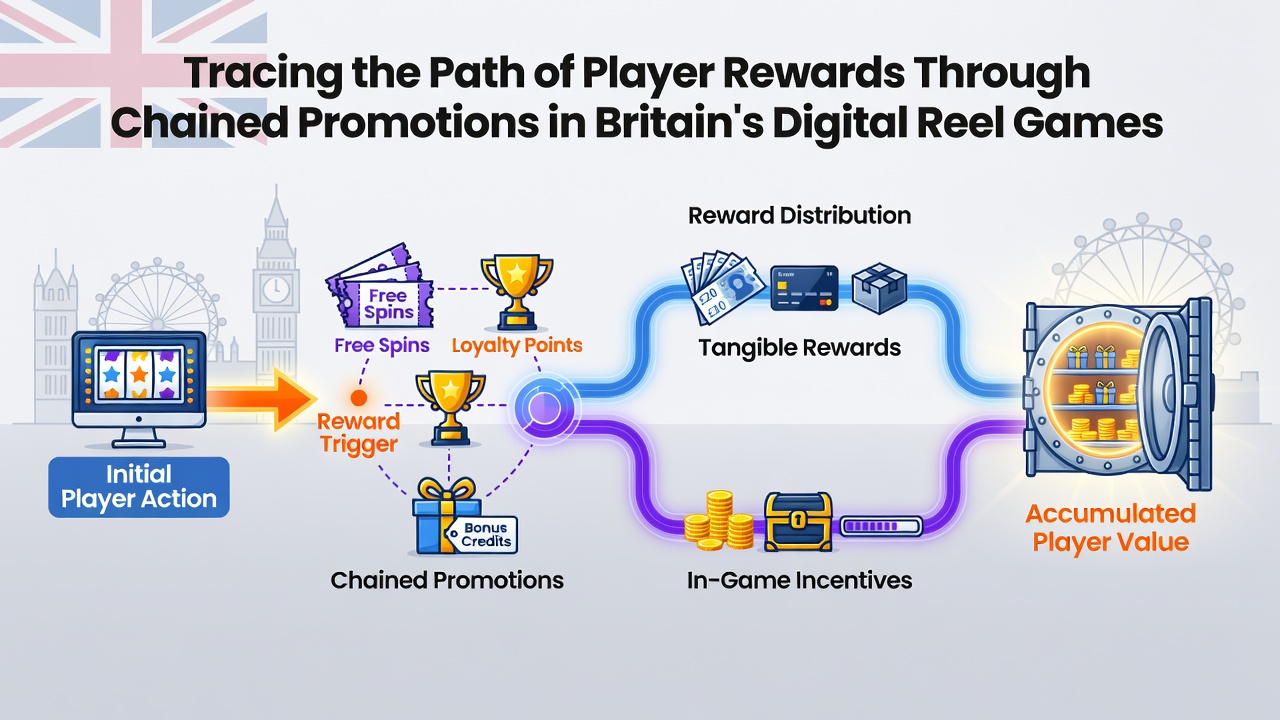
Platforms record every spin, deposit, and wager against unique player identifiers, enabling automatic release of the next reward tier once predefined criteria are reached. Conditional unlocks may include cashback percentages that apply only after a player has moved through two prior stages, or multiplier boosts that activate solely on games selected from a curated list. This tracking mechanism prevents premature access while maintaining continuity for those who follow the sequence.
A study conducted by researchers at the University of Sydney's Gambling Treatment and Research Centre examined comparable chained structures in Australian online environments and reported that transparent progress indicators reduced player confusion while preserving the intended flow from one reward type to the next. The findings highlighted that clear visual cues about remaining requirements helped maintain engagement without increasing complaint volumes.
Player Movement Across Multiple Networks
Many accounts operate across several platforms simultaneously, and operators have responded by designing rewards that reference activity on external sites through shared tracking tokens. When a player completes a chain on one network, the system may issue a cross-platform voucher that initiates a new sequence elsewhere. This interoperability extends the overall path of rewards beyond any single operator's ecosystem.
Industry data compiled in mid-2026 indicated that players who navigated at least two interconnected chains within a thirty-day window generated higher aggregate activity than those who remained within isolated offers. The pattern appears consistent across both desktop and mobile interfaces, with the latter showing faster transitions between stages due to push notification integration.
Conclusion
The architecture of chained promotions in Britain's digital reel games rests on sequential triggers that link no-deposit entry points to deposit matches and subsequent conditional rewards. Tracking systems record completion at each stage and present the following offer without requiring separate navigation. Available evidence from multiple regulatory and academic sources demonstrates that these connected structures influence session length and cross-platform movement while operating within the technical limits set by platform software. As networks continue to refine progression logic, the path from initial trigger to final unlock remains a central feature of player reward design.