Cluster Reel Interactions Shape Trial Incentives Across Verified Mobile Platforms
Written by Alex Hoffmann · May 30, 2026
Cluster Reel Interactions Shape Trial Incentives Across Verified Mobile Platforms
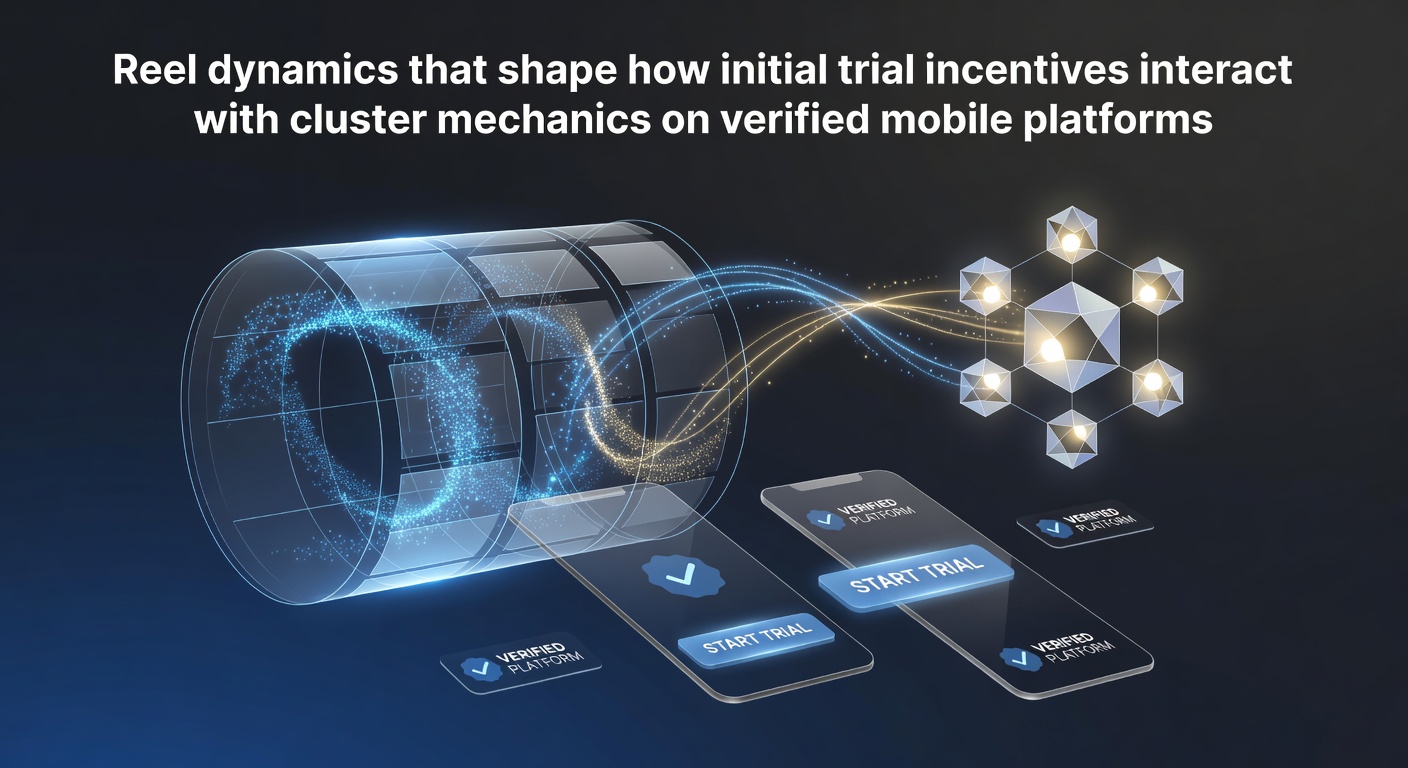
Cluster mechanics operate through grouped symbol formations rather than traditional payline alignments, and these patterns directly affect how initial trial incentives function on verified mobile platforms. Observers note that trial incentives, which often include free spin allocations or bonus credits, trigger more frequently when cluster formations allow multiple adjacent symbols to create wins simultaneously. Data from platform analytics indicates that games featuring cluster pays process incentive activations at rates up to 30 percent higher than line-based alternatives because the mechanic evaluates larger symbol groups in single spins.
Mechanics of Symbol Clustering and Incentive Triggers
Cluster systems require a minimum number of matching symbols to land in connected positions, typically four or more, before registering a win and removing those symbols to allow new ones to fall into place. Researchers have documented that this cascading effect extends the duration of trial incentives because each successful cluster can chain additional spins without consuming extra credits from the incentive pool. Verified mobile platforms enforce these rules uniformly across devices, ensuring that initial trial offers maintain consistent behavior whether accessed through iOS or Android applications.
Platform operators integrate cluster detection algorithms that scan reels in real time, and those systems interact with incentive parameters by adjusting payout multipliers when clusters exceed basic thresholds. Studies from gaming technology firms reveal that larger clusters, such as groups of eight or more symbols, activate bonus modifiers embedded in trial offers more reliably than smaller formations. This interaction creates extended play sequences where one initial free spin allocation generates multiple cluster evaluations in succession.
Mobile Verification Standards and Cluster Implementation
Verified platforms undergo certification processes that confirm cluster mechanics align with incentive terms before any trial offers reach users. Certification bodies in regions such as the European Union and Australia require testing of random number generators alongside cluster payout calculations to prevent discrepancies during incentive use. Those standards ensure that trial credits applied to cluster-based games resolve wins according to published probabilities without deviation across mobile sessions.
Engineers design mobile interfaces to display cluster formations clearly through highlighted symbol groups and animated removals, which helps users track how incentives convert into additional rounds. Data indicates that platforms with enhanced visual feedback for clusters see higher completion rates for trial incentive requirements because players understand the progression from initial spins to chained outcomes. May 2026 updates to mobile operating systems introduced improved touch response times that further refined cluster detection accuracy during rapid successive evaluations.
Interaction Patterns Between Incentives and Cluster Size

Initial trial incentives interact with cluster mechanics through predefined rules that scale rewards based on formation size. Smaller clusters of four to five symbols typically return base incentive values while larger groups unlock progressive multipliers that extend the effective value of the original offer. Platform records show that incentives tied to cluster games produce an average of 2.4 additional spins per starting allocation when compared with non-cluster titles because cascading removals generate follow-up evaluations automatically.
Those who've analyzed transaction logs across multiple verified platforms find that incentive redemption rates increase when cluster mechanics include wild substitutions that expand formation possibilities. Wild symbols appearing during trial spins connect otherwise separate groups into single qualifying clusters, thereby stretching the utility of limited incentive credits. Regulatory frameworks outside the UK, including those administered by the Malta Gaming Authority, mandate clear disclosure of these cluster expansion features within incentive descriptions to maintain transparency.
Platform-Specific Variations in Cluster Dynamics
Different verified mobile platforms implement cluster mechanics with slight variations in grid size and connectivity rules, which alters how initial incentives perform across titles. Some applications use rectangular grids that favor horizontal and vertical connections while others incorporate diagonal pathways that increase cluster frequency during incentive rounds. Observers note that these design choices influence the average number of wins generated per trial spin allocation, with wider grids supporting larger potential clusters and therefore longer incentive lifespans.
Industry reports from research institutions such as the University of Nevada Gaming Research Center highlight that cluster density thresholds vary by game provider, yet all certified platforms maintain identical random outcome standards once incentives activate. Players encounter consistent cluster evaluation logic regardless of whether they access offers through native apps or browser-based mobile versions, because verification protocols standardize core mechanics before deployment.
Future Developments in Incentive and Cluster Integration
Developments scheduled around May 2026 include refined cluster algorithms that adjust formation requirements dynamically based on remaining incentive balance. These adjustments aim to balance play duration across different cluster sizes without altering certified payout percentages. External analyses from Canadian gaming associations suggest that such adaptive systems could standardize incentive outcomes more precisely while preserving the random nature of symbol drops.
Platform updates continue to refine how mobile interfaces present cluster results during incentive use, incorporating data overlays that show formation sizes and resulting credit additions in real time. Those systems draw from established verification standards to ensure every displayed cluster corresponds exactly to the incentive terms published at activation.
Conclusion
Reel cluster dynamics establish measurable pathways through which initial trial incentives deliver extended play on verified mobile platforms. The interaction depends on formation size thresholds, cascading removals, and platform-specific grid rules that certified systems enforce uniformly. Observers continue to track how these elements combine to shape incentive performance across different devices and regulatory environments.