Incentive Dynamics: Bridging Onboarding Perks and Retention Strategies in Virtual Worlds
Written by Iris Simmons · Jul 11, 2026
Incentive Dynamics: Bridging Onboarding Perks and Retention Strategies in Virtual Worlds
Virtual gaming environments rely on structured incentive systems that begin with entry-level rewards and extend into ongoing engagement mechanisms. Data from industry analyses show these systems operate across multiple game genres, including massively multiplayer online titles and competitive battle arenas, where developers deploy targeted perks to guide player behavior from the first session onward.
Entry-Level Rewards as Onboarding Tools
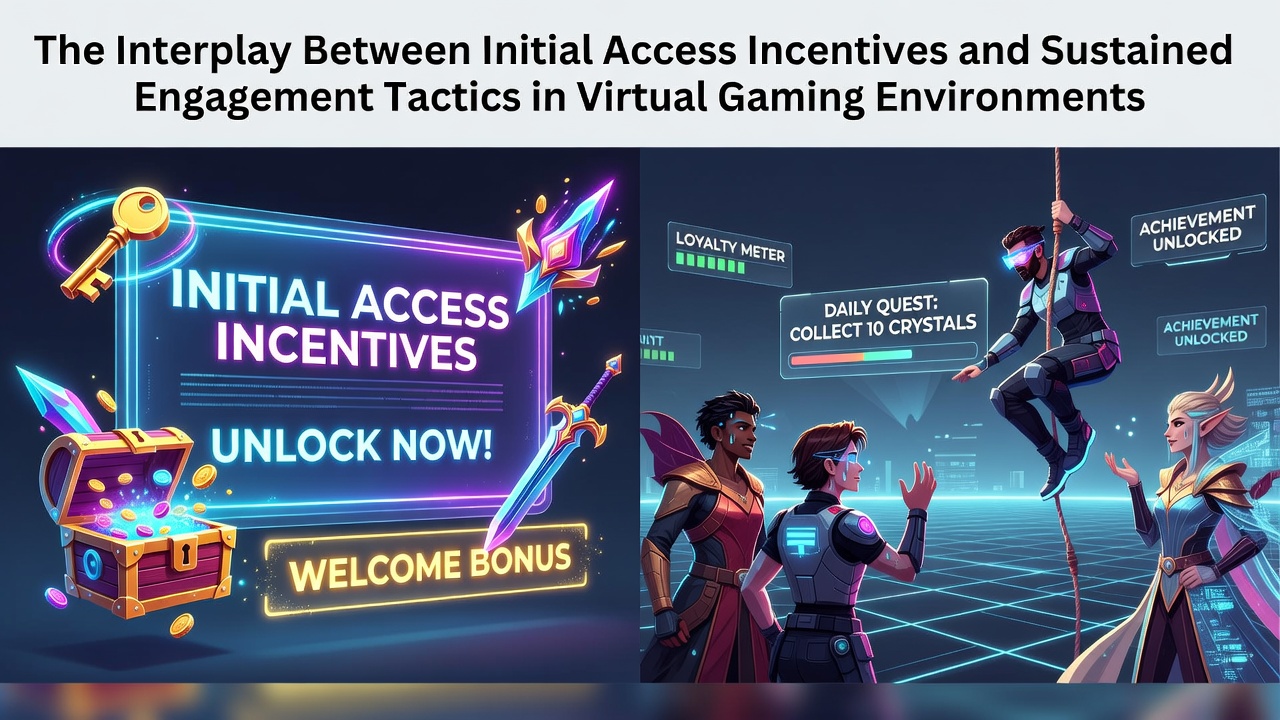
Initial access incentives typically include starter packs, limited-time currency grants, and tutorial-linked bonuses that reduce early friction for new participants. Research conducted by the Entertainment Software Association indicates these elements appear in over 70 percent of top-grossing free-to-play titles released between 2024 and 2026. Observers note that such rewards often tie directly to account creation or first login events, creating immediate feedback loops that encourage continued presence in the virtual space.
Game studios integrate these perks with clear progression markers, such as experience multipliers or cosmetic unlocks, that activate within the opening hours of play. Figures from a 2025 report by Newzoo reveal that titles employing structured onboarding bonuses maintain higher day-one retention rates compared with those that do not. And developers frequently update these systems in response to aggregate player telemetry collected during the first week of engagement.
Long-Term Tactics for Player Continuity
Sustained engagement tactics shift focus after the onboarding phase and incorporate daily login streaks, seasonal events, and tiered progression systems that reward consistent participation. These mechanisms appear in environments ranging from mobile strategy games to large-scale persistent worlds, where designers calibrate reward frequency to match established player habits. According to data compiled by the Interactive Games and Entertainment Association in Australia, login-based reward cycles correlate with extended session lengths across multiple platforms.
Retention features often layer atop initial incentives, converting early grants into ongoing value through conversion paths such as battle passes or subscription bundles. Studies from the University of Alberta's gaming research group demonstrate that players who receive meaningful early rewards show increased uptake of later monetized options when those options build logically on prior progress. What's interesting here is how developers time these transitions, spacing major events to coincide with natural drop-off points identified through behavioral analytics.
Connections Between Early and Ongoing Systems
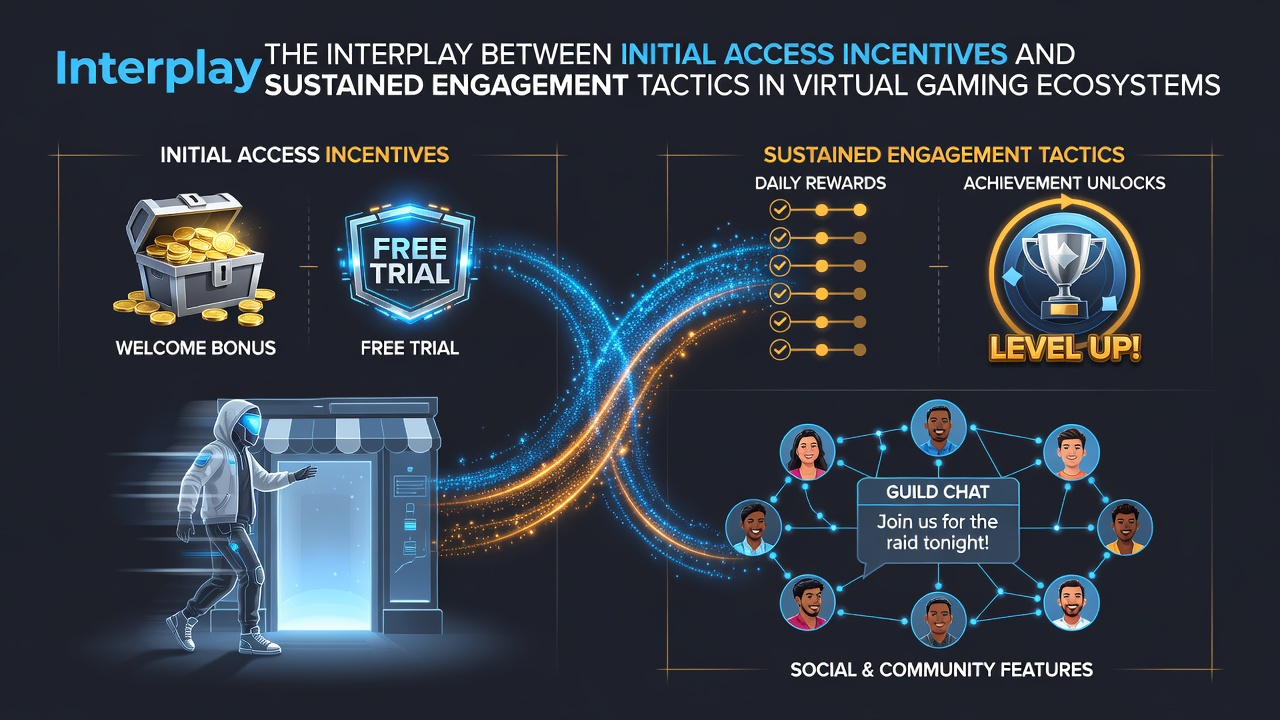
The interplay emerges when initial rewards feed directly into sustained frameworks, creating continuous value chains rather than isolated promotions. For instance, starter currency frequently rolls into milestone-based challenges that unlock additional tiers of content over weeks or months. Industry reports from the Canadian Interactive Digital Entertainment Association highlight cases where seamless integration between these phases produces measurable lifts in monthly active user counts through the second and third quarters of a title's lifecycle.
Designers achieve this continuity by embedding tracking systems that recognize prior participation and adjust subsequent offers accordingly. In July 2026, several major studios rolled out updated frameworks that personalize reward delivery based on entry-point behavior patterns. Those who've examined telemetry logs across large player bases find that such personalization reduces churn during the critical 30-to-90-day window when many participants otherwise disengage.
Regulatory perspectives from bodies outside the UK, including guidance issued by the Australian Communications and Media Authority, emphasize transparency requirements around how early incentives convert into recurring obligations. These guidelines encourage clear disclosure of terms so participants understand the full scope of engagement loops before committing time or resources.
Case Examples Across Platforms
Multiple titles illustrate the pattern in practice. One widely cited example involves a battle-royale franchise that grants initial character customization items and then channels those choices into seasonal ranking systems with escalating rewards. Another persistent-world game uses tutorial completion bonuses to seed crafting economies that require repeated logins to optimize. Researchers tracking these implementations report consistent patterns where early access perks function as gateways to deeper mechanical loops rather than standalone features.
Platform-level data collected by regional trade organizations shows variance by region and device type, with console environments favoring longer-form progression arcs while mobile titles emphasize shorter, more frequent reward cycles. Yet the underlying architecture remains similar: entry incentives establish presence, and sustained tactics convert that presence into habitual return visits.
Conclusion
Virtual gaming environments continue to refine the relationship between initial access incentives and sustained engagement tactics through data-driven iteration. The structures described rely on measurable behavioral signals and cross-phase integration to maintain participant activity over extended periods. As new titles launch and existing ones receive updates, these dynamics evolve in response to aggregated performance metrics and regulatory expectations across different jurisdictions.