Mapping Bonus Networks from Initial Offers to Ongoing Participation in Portable Slot Games
Written by Iris Lange · Jul 18, 2026
Mapping Bonus Networks from Initial Offers to Ongoing Participation in Portable Slot Games
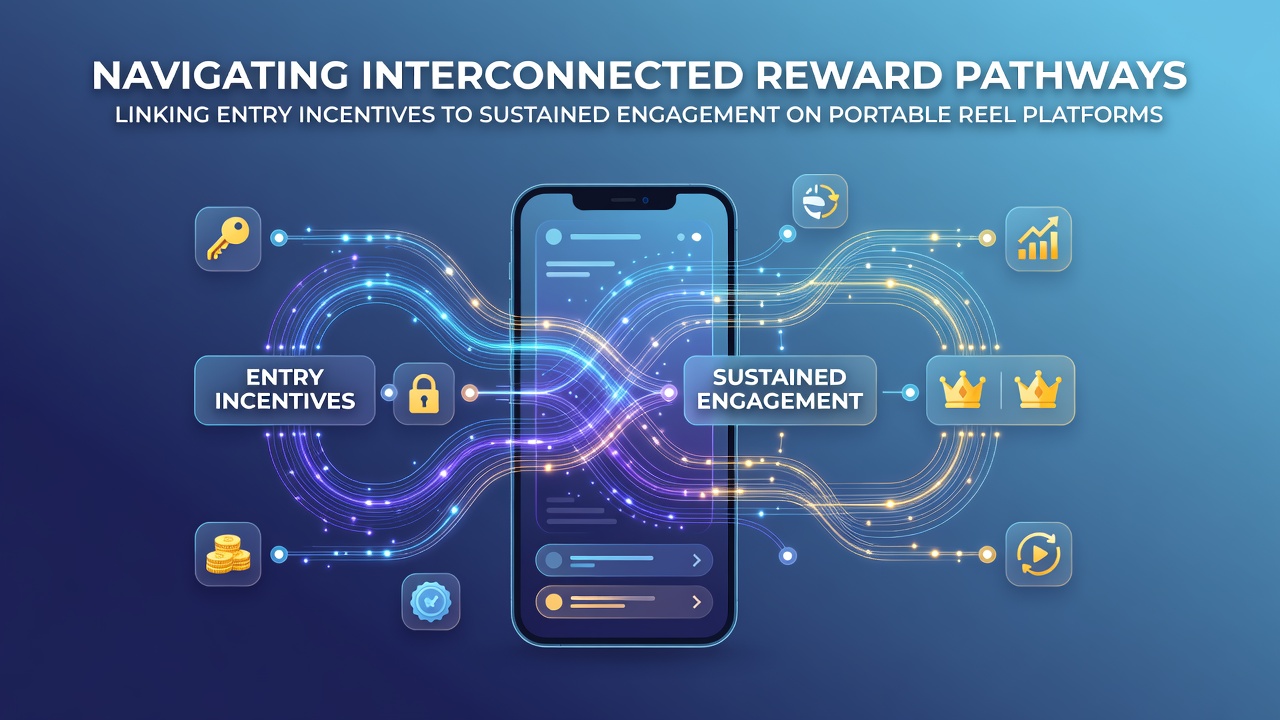
Portable reel platforms operate through layered incentive structures that begin with entry-level offers and extend into sustained engagement mechanisms, and these systems rely on interconnected pathways where initial rewards trigger subsequent participation loops. Data from regulatory bodies across multiple regions show that mobile slot ecosystems integrate free spin allocations, deposit matches, and progression tiers into single user journeys, while players move through these stages via automated tracking tools embedded in the apps themselves.
Entry Incentives as Starting Nodes
Initial access points on portable platforms often feature no-deposit rewards that register as the first node in a reward chain, and these entry offers connect directly to verification processes that unlock further stages. Observers note that once a player claims an opening incentive the platform records activity metrics which feed into algorithms determining eligibility for follow-on promotions, and this linkage appears in documentation from gaming authorities in Nevada and similar oversight bodies in other jurisdictions. Research from academic institutions indicates that such entry points reduce initial barriers while simultaneously capturing behavioral data used to calibrate later rewards.
Progression Through Interlinked Tiers
After the entry phase, platforms route users into tiered structures where each completed action activates the next layer, and these transitions rely on real-time data exchange between bonus modules. One study from a Canadian research consortium revealed that deposit match sequences activate only after certain play thresholds from the initial reward are met, creating a continuous pathway rather than isolated offers. Figures from industry associations in Australia further demonstrate that retention rates rise when these tiers operate as a unified network instead of standalone elements, because the system automatically escalates rewards based on cumulative engagement signals.
Technical Architecture Supporting Sustained Loops
Backend systems on portable reel platforms use centralized player accounts to link every incentive stage, and this architecture prevents fragmentation by routing all activity through a single profile. Developers implement conditional triggers so that completion of an entry reward automatically populates the interface with the subsequent match or progression opportunity, and external reports confirm this design pattern across major mobile gaming operators. What's interesting is how these connections minimize user friction while maintaining compliance with regional spending and verification rules enforced by bodies outside the UK framework.

July 2026 updates from several North American and European operators highlighted refinements to these pathway algorithms, particularly in how they handle cross-device synchronization for players who switch between phones and tablets mid-session. Such adjustments ensure that an incentive started on one device continues seamlessly on another, preserving the chain integrity without requiring manual intervention.
Player Journey Data and Network Effects
Analytics platforms integrated into portable reel services track every transition between reward stages, and aggregated datasets reveal patterns where early incentives correlate with extended session lengths over subsequent weeks. A report issued by an academic gaming research group in Europe outlined how these networks produce compounding effects: each completed loop feeds predictive models that adjust future offers to match individual play rhythms. Those models draw on variables including spin frequency, average stake size, and time between sessions, while regulatory filings from Australian oversight agencies confirm that operators must document these linkages for transparency purposes.
Conclusion
Portable reel platforms maintain engagement through deliberately connected reward pathways that convert entry incentives into longer-term participation structures, and the technical and regulatory frameworks supporting these systems continue to evolve as new data emerges from operators and oversight bodies alike. Evidence from multiple international sources shows consistent application of these network principles across different markets, with ongoing refinements focused on synchronization, compliance, and behavioral tracking.