Mapping Bonus Pathways: How Early Free Credits Drive Persistent Activity on Mobile Slot Devices
Written by Elena Jung · Jun 18, 2026
Mapping Bonus Pathways: How Early Free Credits Drive Persistent Activity on Mobile Slot Devices
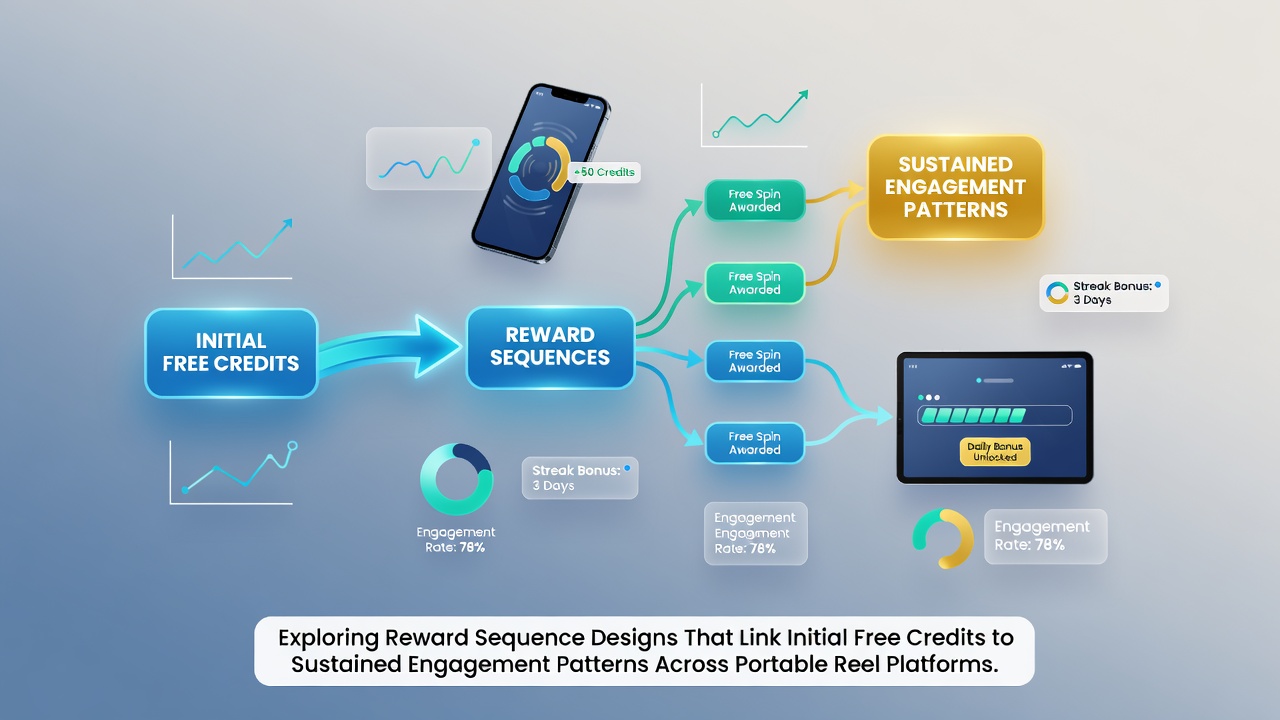
Designers of mobile slot platforms have refined sequences that begin with free credits and extend into patterns of repeated play, and these structures appear across many applications available in 2026. The approach starts with an initial allocation of credits that requires no deposit, then transitions into conditions that encourage further interaction through progressive elements such as additional rounds or adjusted payout tables.
Platforms structure the first stage so that users receive a set number of credits upon registration, and the design often includes time limits or game restrictions that guide play toward specific titles. Observers note that this opening step sets a baseline for activity, while subsequent triggers activate once certain thresholds like total spins or credit usage are met.
Sequence Components in Portable Reel Systems
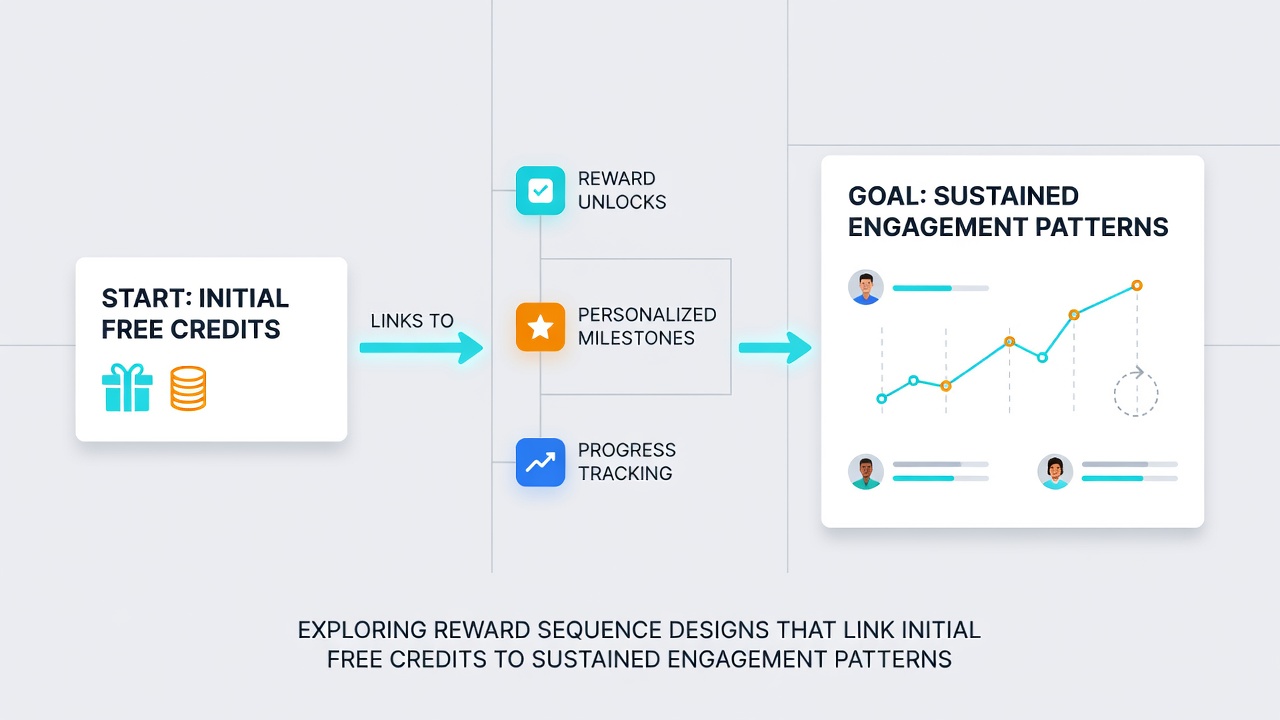
Initial free credits function as entry points, and developers connect them to later stages by embedding requirements that unlock deposit-matched offers or extended free rounds. Research from academic institutions such as those tracking digital entertainment behaviors indicates that these chains maintain activity when the transition points remain transparent and achievable within the first few sessions.
One common arrangement places the free credits in a dedicated wallet that feeds directly into selected games, and the system then monitors engagement metrics like session duration or frequency of returns. When users complete the initial allocation, the platform introduces options for continued play that incorporate the original credits into larger reward pools.
Transition Mechanisms and Retention Indicators
Designers link the starter credits to sustained patterns by using multipliers that scale with continued spins or by unlocking new game features after a set number of plays. Data compiled by industry groups shows that sequences incorporating gradual increases in reward potential correlate with higher return rates across portable devices, particularly when users can track progress through in-app indicators.
As of June 2026, several platforms report that sequences extending beyond the first day maintain activity levels when they incorporate both immediate feedback and longer-term goals. The mechanics often combine random elements with deterministic triggers, which creates a balance that keeps users returning without requiring constant new deposits.
Portable reel applications apply these designs across different operating systems, and the sequences adapt to device capabilities such as push notifications that remind users of remaining credits or upcoming unlocks. Studies conducted on user behavior patterns reveal that notification timing plays a role in re-engagement, especially when tied to the completion of early credit usage.
Comparative Approaches Across Regions
Platforms operating in various markets employ similar sequence structures yet adjust parameters based on local regulations and player preferences. Reports from organizations like the American Gaming Association highlight how North American applications emphasize credit-to-deposit pathways that activate after initial play volumes, whereas systems in other areas focus more on feature unlocks within the free credit phase itself.
European operators, drawing from frameworks established by bodies such as the Malta Gaming Authority, integrate sequences that layer additional credits upon meeting play milestones, and these additions often carry wagering conditions that extend session lengths. The result is a chain where the starting allocation feeds into repeated interactions across multiple days or weeks.
Analyses of engagement data from research papers published through university gaming studies centers demonstrate that sequences with clear progression markers achieve broader retention compared to those that present all rewards upfront. Designers therefore space out the activation points, which distributes activity across time rather than concentrating it in a single session.
Technical Elements Supporting Sequence Continuity
Backend systems track credit consumption and trigger subsequent stages automatically, and this automation reduces friction for users moving from free allocations to paid or matched play. Integration with device sensors allows some applications to adjust reward visibility based on usage patterns, such as highlighting available extensions during periods of lower activity.
Cross-platform compatibility ensures that sequences started on one device continue on another, and this continuity supports sustained engagement for users who switch between phones and tablets. Figures from industry reports indicate that such seamless transitions contribute to longer overall lifecycles for player accounts on mobile slot platforms.
Conclusion
Sequences that connect initial free credits to later engagement stages form a core element of current mobile slot platform architecture, and their implementation continues to evolve with user data and technical capabilities. The structures rely on measured transitions and transparent conditions to maintain activity patterns across portable devices, while regional adaptations reflect differing market requirements. Observers tracking these developments note that the emphasis remains on linking early interactions to extended participation through layered reward mechanics.