Session Duration Metrics Shaping Layered Reward Activation in Regulated Mobile Reel Platforms
Written by Gisela Simon · Jul 2, 2026
Session Duration Metrics Shaping Layered Reward Activation in Regulated Mobile Reel Platforms
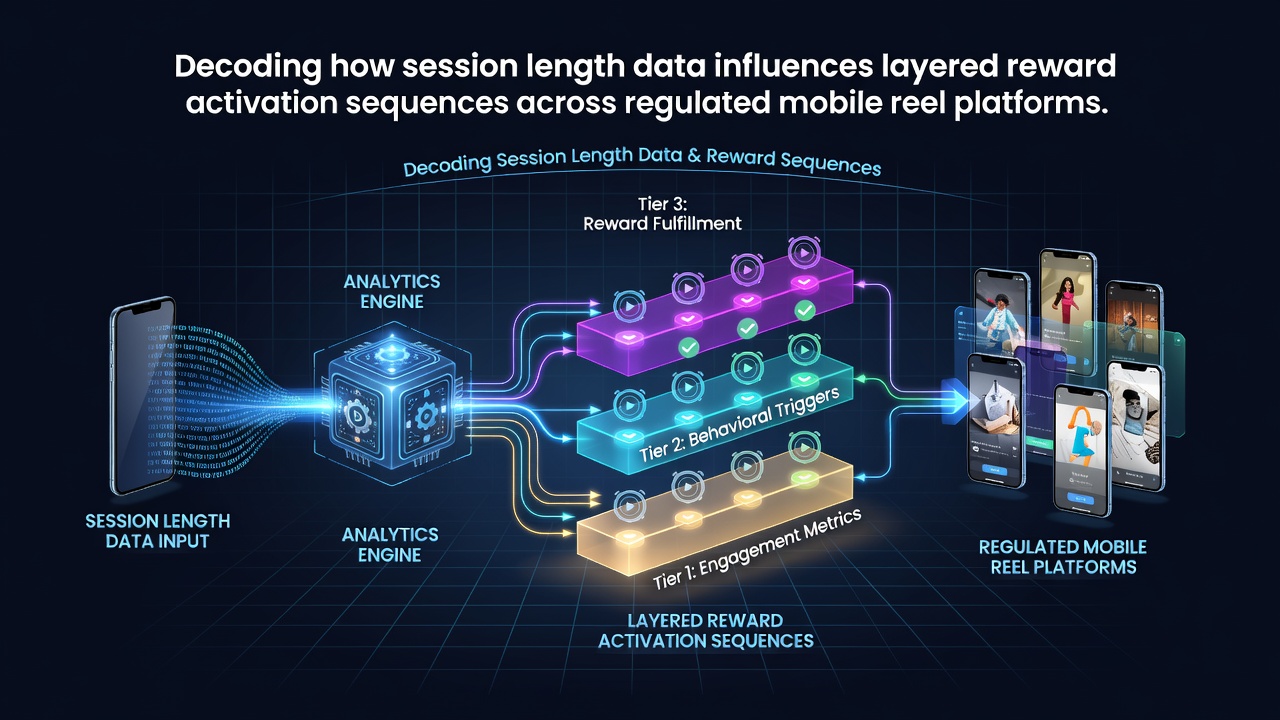
Platform operators collect detailed session length data to determine when specific reward layers activate, and this information flows through algorithms that map play duration against predefined thresholds. Researchers track these patterns across regulated environments where mobile reel applications must comply with jurisdiction-specific rules on bonus structures, while longer sessions often unlock additional reward tiers that build sequentially from initial free spin allocations into deposit match sequences and then into progressive multiplier stages.
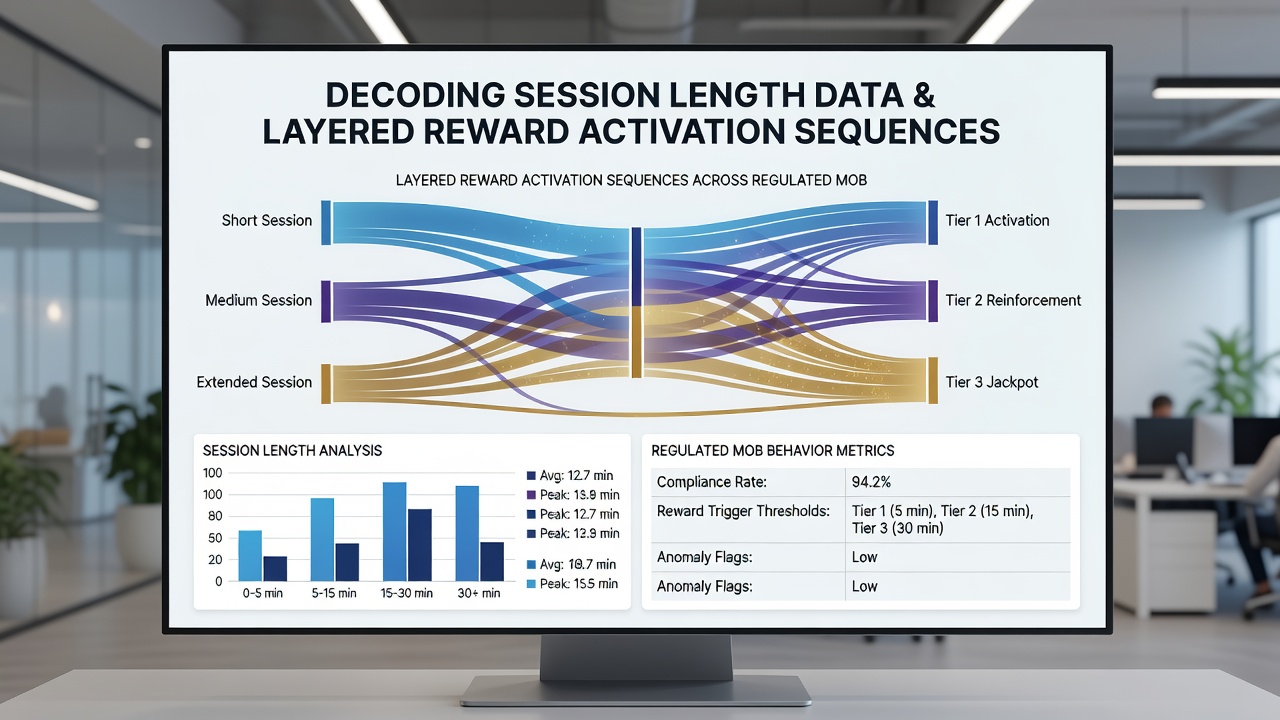
Data sets from multiple operators reveal consistent correlations between extended play periods and the triggering of secondary reward activations, because algorithms interpret cumulative minutes played as signals for escalation. Observers note that a 15-minute session might engage only the base reward layer, whereas sessions extending past 45 minutes frequently initiate the next sequence of incentives, and this progression continues as time accumulates without interruption.
Data Collection Mechanisms Across Platforms
Regulated mobile reel platforms employ backend systems that log session starts, pauses, and total active time with precision timestamps, allowing analysts to segment player behavior into distinct duration brackets. These brackets serve as triggers for reward sequences where each additional bracket crossed activates a new layer, and operators integrate this logic to maintain compliance with fairness standards set by bodies such as the Nevada Gaming Control Board.
Studies conducted by academic teams at institutions focused on behavioral analytics demonstrate that session length directly modulates the order and timing of reward releases, since shorter engagements receive simpler activation patterns while prolonged interactions generate chained sequences involving multiple bonus types. Platforms adjust these parameters through iterative testing that refines threshold values based on aggregated user data from diverse geographic regions.
Influence on Reward Layer Sequencing
Layered reward systems operate through conditional pathways where session duration acts as the primary variable determining progression speed, and this creates sequences that begin with no-deposit style entries before transitioning into matched deposit incentives once certain time milestones are reached. Those who analyze platform logs frequently identify that reward activation becomes more complex after the 30-minute mark, incorporating elements like multiplier boosts and access to exclusive reel features that remain unavailable during brief sessions.
What's interesting is how regulatory frameworks in regions outside the UK require transparent disclosure of these duration-based mechanics, ensuring players receive clear information about how continued engagement influences subsequent reward availability. Reports from the New Jersey Division of Gaming Enforcement highlight similar data patterns in mobile deployments, where session metrics help calibrate bonus delivery to prevent over-acceleration of reward layers.
Regulatory Compliance and Algorithmic Adjustments
Operators must align session-based reward sequences with oversight requirements that vary by jurisdiction, and this alignment involves regular audits of the algorithms governing activation timing. In July 2026 several platforms introduced updated tracking protocols that incorporate real-time session monitoring to verify compliance while maintaining the layered structure of rewards, because authorities emphasize verifiable fairness in how duration data translates into player incentives.
Industry organizations such as the Nevada Gaming Control Board publish guidelines that address the integration of behavioral data into bonus systems, requiring documentation of how session length thresholds connect to each successive reward layer. These guidelines encourage the use of standardized reporting formats that capture activation sequences across thousands of individual sessions, enabling regulators to assess whether duration metrics produce equitable outcomes.
Case Examples from Operational Data
One documented implementation on a major mobile reel network showed that sessions averaging 60 minutes or more consistently activated a tertiary reward layer involving cascading free spin multipliers, whereas sessions under 20 minutes remained confined to the initial activation stage. Platform engineers refined the sequence logic after reviewing aggregated metrics, which led to smoother transitions between layers without abrupt shifts that could disrupt engagement flow.
Another example from a Canadian-regulated operator illustrated how session length data influenced the connection between no-deposit triggers and later deposit match phases, because extended play periods automatically queued the next reward element once prior conditions were satisfied. Such adjustments rely on continuous data streams that feed into decision trees designed to balance player retention with regulatory constraints on bonus frequency.
Future Developments in Session Analytics
Emerging tools allow finer segmentation of session data by incorporating factors like reel spin frequency alongside total duration, which adds precision to reward activation sequences across regulated platforms. Research institutions continue to examine these evolving models to identify optimal threshold settings that support both compliance and operational efficiency.
Conclusion
Session length data serves as a foundational element in determining how layered reward sequences unfold on regulated mobile reel platforms, with algorithms translating duration metrics into progressive activations that span multiple bonus types. Regulatory bodies in various jurisdictions maintain oversight through documented standards and periodic reviews, while platform operators refine their systems based on empirical patterns observed in real-world usage. This interplay between data collection, algorithmic design, and compliance frameworks continues to shape reward delivery mechanisms as mobile reel environments expand.