The Structure of Layered Incentives in Virtual Slot Environments: Evolution from Free Play Opportunities to Persistent Reward Mechanisms
Written by Iris Simmons · Aug 20, 2026
The Structure of Layered Incentives in Virtual Slot Environments: Evolution from Free Play Opportunities to Persistent Reward Mechanisms
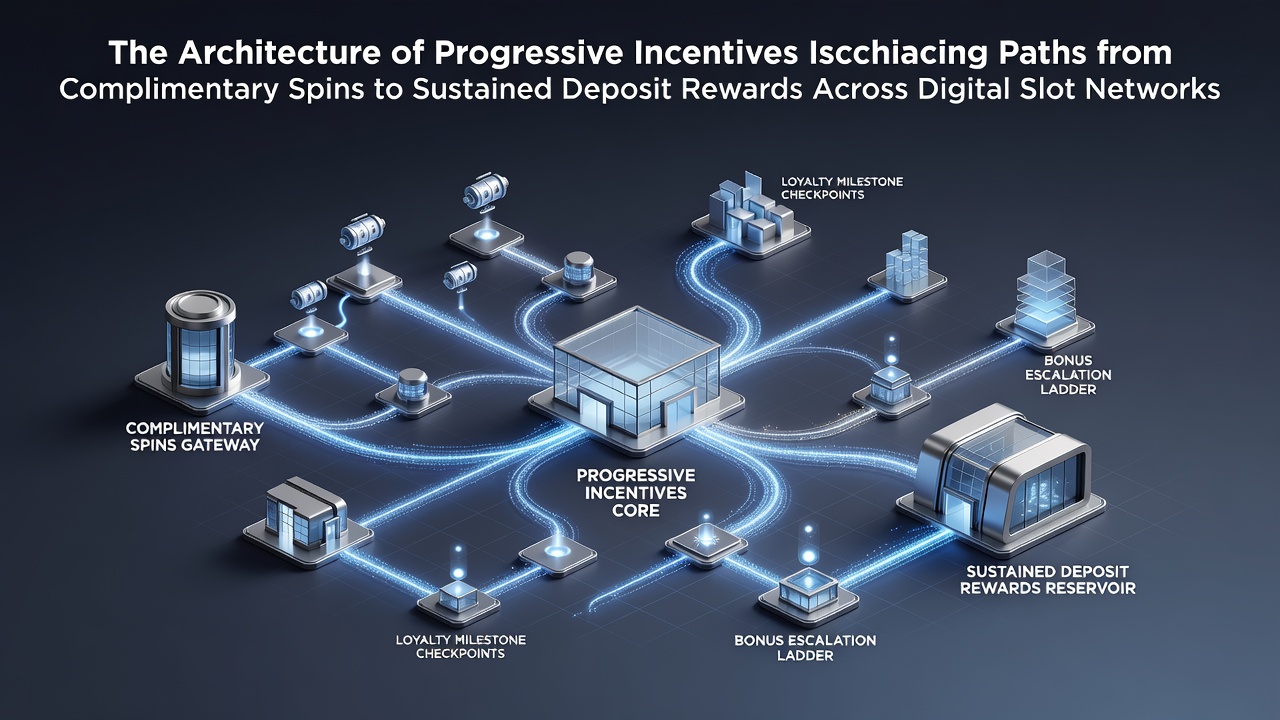
Digital slot networks operate through structured incentive layers that begin with no-deposit entry points and extend into ongoing deposit-linked programs, creating pathways that retain player engagement across multiple sessions. These systems rely on sequenced triggers where initial complimentary spins introduce platform mechanics, while subsequent deposit requirements unlock scaled rewards that build over time. Data from industry reports indicate that such progressions appear in platforms spanning North America, Europe, and Asia-Pacific regions, with variations tied to local licensing frameworks.
Initial Entry Through Complimentary Spins
Complimentary spins function as the first stage in many incentive architectures, granting access without initial financial commitment and allowing users to explore game libraries. Operators design these offers with specific wagering conditions that transition players toward deposit stages, where match percentages and additional spin allocations activate upon first funding. Research from gaming associations shows that this entry method accounts for a measurable portion of new account creations in regulated markets, with conversion rates tracked through backend analytics that monitor session duration and return visits.
Those who study platform data note that free spin volumes often tie to promotional calendars, including updates released in periods such as August 2026 when several networks refreshed their starter packages to align with seasonal traffic patterns. The mechanics remain consistent: spins carry defined values, expire within set windows, and feed into loyalty tracking systems that record cumulative activity for later tier advancement.
Transition to Deposit-Linked Structures
Once players complete the free spin phase, deposit matches form the next architectural layer, where percentage-based bonuses scale according to funding amounts and frequency. These rewards incorporate progressive elements such as increased match rates on repeat deposits or unlocked features after reaching volume thresholds. Figures from trade group analyses reveal that deposit match structures frequently include time-bound windows and game-type restrictions, directing play toward specific titles while accumulating data points that determine eligibility for sustained programs.

Observers of network operations point out that the shift from complimentary to paid incentives involves automated tracking modules that flag completed requirements and release new offers accordingly. In one documented case from a multi-jurisdiction operator, players who progressed through initial spins saw deposit bonuses activate at incremental levels, with each stage requiring higher cumulative deposits to maintain reward velocity. This design encourages sustained participation while adhering to regulatory caps on bonus values.
Progressive Tiers and Sustained Rewards
Longer-term deposit rewards emerge through tiered loyalty frameworks that assign status levels based on total deposits and play volume, granting benefits such as cashback percentages, exclusive spin packages, and accelerated withdrawal processing. These tiers operate on points systems where activity from earlier free spin and deposit stages contributes to overall standing, creating continuity across the incentive path. Reports issued by research institutions in Canada and Australia document similar tier architectures, noting that retention metrics improve when players advance through visible progression markers.
What's interesting is how networks integrate secret codes or referral bonuses into these layers, allowing existing users to extend the progression for new accounts while earning their own sustained rewards. Such mechanisms connect isolated offers into broader ecosystems where data flows between stages inform personalized adjustments. Evidence from academic studies on user behavior indicates that players who navigate multiple layers tend to exhibit higher lifetime engagement values, though outcomes vary by jurisdiction and platform implementation.
Cross-Network Variations and Tracking Systems
Digital slot networks differ in how they sequence incentives, with some emphasizing rapid escalation from spins to deposits and others spacing rewards across extended periods. Backend systems log every transition, applying rules that prevent stacking beyond defined limits and ensure compliance with regional standards from bodies outside the UK. One study conducted by a European gaming research center highlighted that unified tracking across multiple sites enables operators to maintain consistent progression even when players migrate between affiliated platforms.
August 2026 saw several networks introduce updated tier thresholds that reflected changes in player deposit patterns observed in prior quarters, adjusting reward multipliers to balance acquisition costs with retention outcomes. These modifications demonstrate how the underlying architecture adapts through data review rather than remaining static.
Conclusion
The architecture of progressive incentives in digital slot networks follows traceable sequences that link complimentary spins to layered deposit rewards through automated triggers and tier advancements. Data compiled by international gaming organizations and regional regulators outside single jurisdictions confirm that these structures rely on measurable conversion points and volume tracking to sustain activity. As platforms continue to refine their systems, the connections between initial free play and ongoing deposit benefits remain central to how networks organize player progression.