The Transformation of Introductory Trial Elements into Sustained Incentive Structures Within Licensed Slot Environments
Written by Alex Hoffmann · Jun 2, 2026
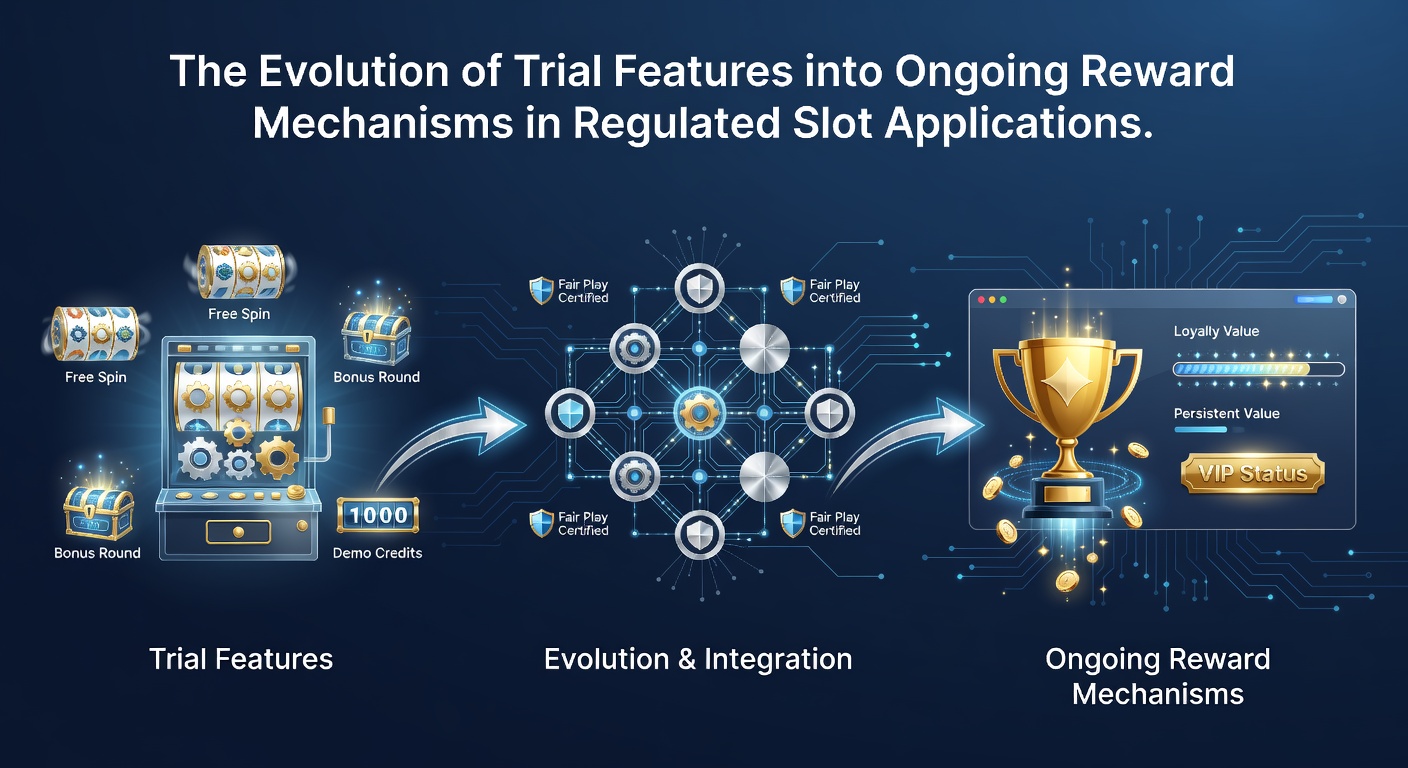
The Transformation of Introductory Trial Elements into Sustained Incentive Structures Within Licensed Slot Environments
Regulated slot applications have shifted their approach to player engagement since the early days of digital gambling platforms, moving from one-time trial offers toward integrated systems that maintain activity through layered incentives. This progression reflects changes in software design, compliance requirements, and data tracking capabilities that operators began implementing around 2015 across multiple jurisdictions.
Early Trial Mechanisms and Their Limitations
Initial trial features in slot applications typically consisted of limited free spins or demo modes that allowed users to test games without financial commitment, yet these elements often ended abruptly once the allocated spins concluded. Observers note that such standalone trials produced short engagement spikes followed by rapid drop-offs, prompting developers to explore methods that connected introductory access with longer-term participation structures. Data from industry reports indicates that retention rates improved when trials incorporated pathways to ongoing multipliers or loyalty points rather than terminating at fixed thresholds.
Regulatory Frameworks Shaping the Shift
Authorities in various regions established guidelines that encouraged or required operators to disclose how trial features transitioned into continued reward programs, which influenced the design of these systems. For instance, licensing bodies in Malta and the Isle of Man introduced transparency rules that led providers to embed reward mechanisms directly into the trial experience, ensuring players encountered persistent benefits instead of isolated starting offers. Figures from the European Gaming and Betting Association reveal that platforms adhering to these standards saw measurable increases in session duration by 2022, as reward triggers became embedded within core gameplay loops rather than appended as separate promotions.
Technological improvements in random number generators and player tracking software enabled this evolution, allowing applications to monitor behavior from the first trial spins and adjust subsequent rewards accordingly. Developers integrated algorithms that converted early wins or play patterns into tiered incentives, such as escalating cashback percentages or access to exclusive reel configurations that persisted across multiple sessions.
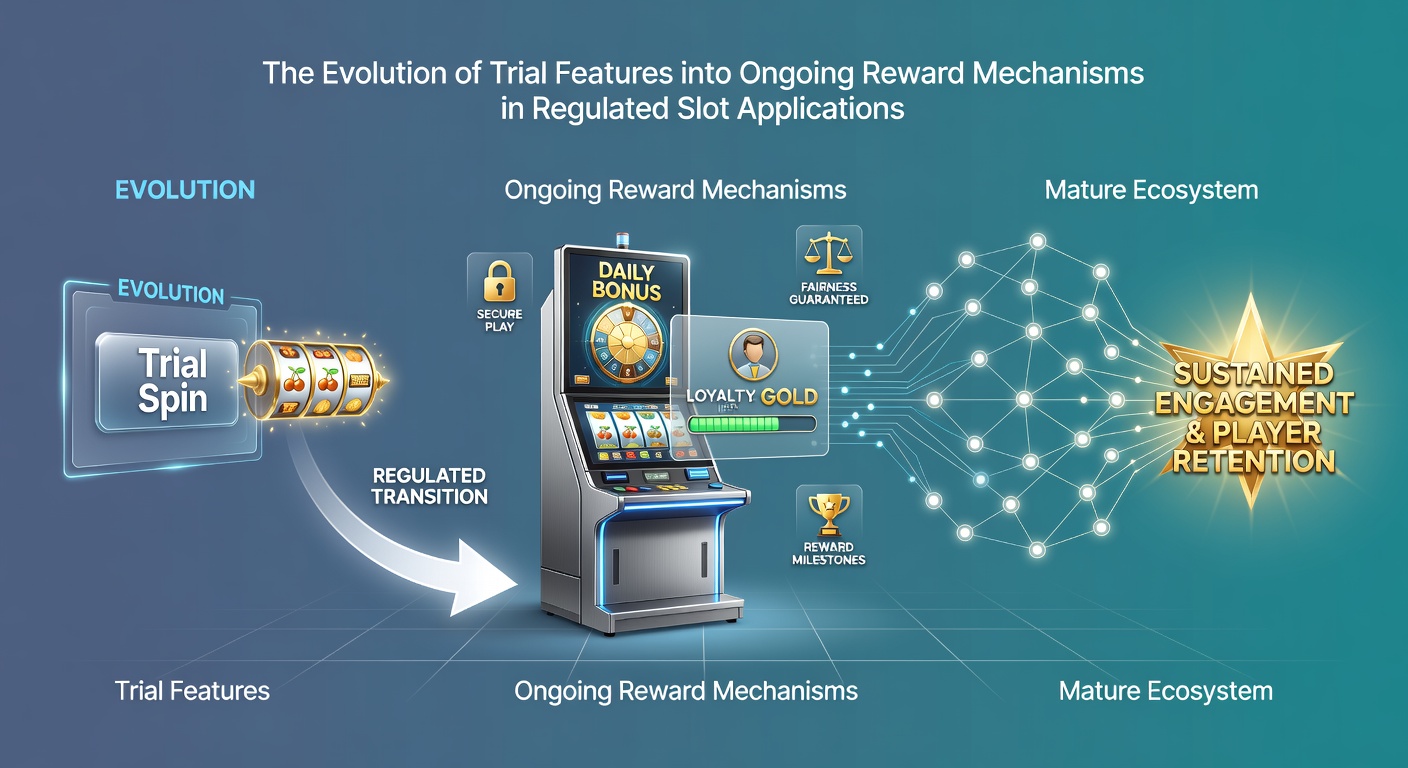
Integration of Ongoing Mechanisms by Mid-2020s
By 2024, many licensed platforms had standardized the conversion of trial elements into sustained structures, where initial free spin allocations fed directly into loyalty accumulation systems that operated continuously. Researchers at the University of Nevada, Reno documented this pattern in a 2025 study, showing that applications using progressive reward chains maintained higher daily active user counts compared to those relying on disconnected trial offers. The study highlighted how symbol cluster mechanics, once limited to demo phases, now carried forward into deposit-linked phases with amplified payout potential.
June 2026 saw several operators update their applications to comply with revised stake guidelines in select markets, incorporating new trial-to-reward pathways that emphasized responsible play indicators alongside incentive delivery. These updates allowed players to view accumulated rewards in real time, with mechanisms that paused or adjusted based on session length data to align with regulatory expectations for player protection.
Case Examples from Licensed Markets
One documented implementation occurred when a major provider linked no-stake trial rounds to multiplier banks that carried over upon first deposit, creating a seamless flow that operators in Australian jurisdictions adopted following updates from the Northern Territory Racing Commission. Similar approaches appeared in North American markets, where state regulators required clear mapping of how introductory features contributed to long-term reward ledgers visible within the application interface.
Industry analyses from the American Gaming Association indicate that these integrated systems reduced the frequency of players abandoning applications after initial trials, as the mechanics ensured continuous feedback loops rather than abrupt endings. Observers point to the role of app-specific perks, such as personalized reel adjustments derived from trial performance, in sustaining engagement across extended periods.
Technical Components Driving Continuity
Backend systems now track trial outcomes through persistent identifiers that feed into broader reward engines, enabling features like chained bonus sequences to activate automatically once certain thresholds are met. This technical foundation replaced earlier fragmented approaches where trials existed in isolation, and it supports the delivery of rewards that scale with continued play while remaining within licensed parameters.
Applications released or updated around March 2026 incorporated refined versions of these systems, with providers such as those releasing titles through established networks demonstrating how cluster interactions during trials directly influenced later reward multipliers. The result appears in application analytics as steadier play patterns rather than peaks tied solely to promotional periods.
Conclusion
The progression from isolated trial features to embedded ongoing reward mechanisms in regulated slot applications continues to reflect adaptations driven by regulatory standards, software capabilities, and operational data. Platforms operating under licenses from bodies across Europe, North America, and Australia demonstrate consistent implementation of these connected structures, with updates in June 2026 further aligning trial experiences with sustained incentive delivery. This development maintains focus on verifiable tracking and compliance while altering how applications structure player progression over time.