Tracing Multi-Tier Bonus Sequences from Initial Free Triggers to Lasting Mobile Reel Activity Across UK Platforms
Written by Iris Simmons · Jul 7, 2026
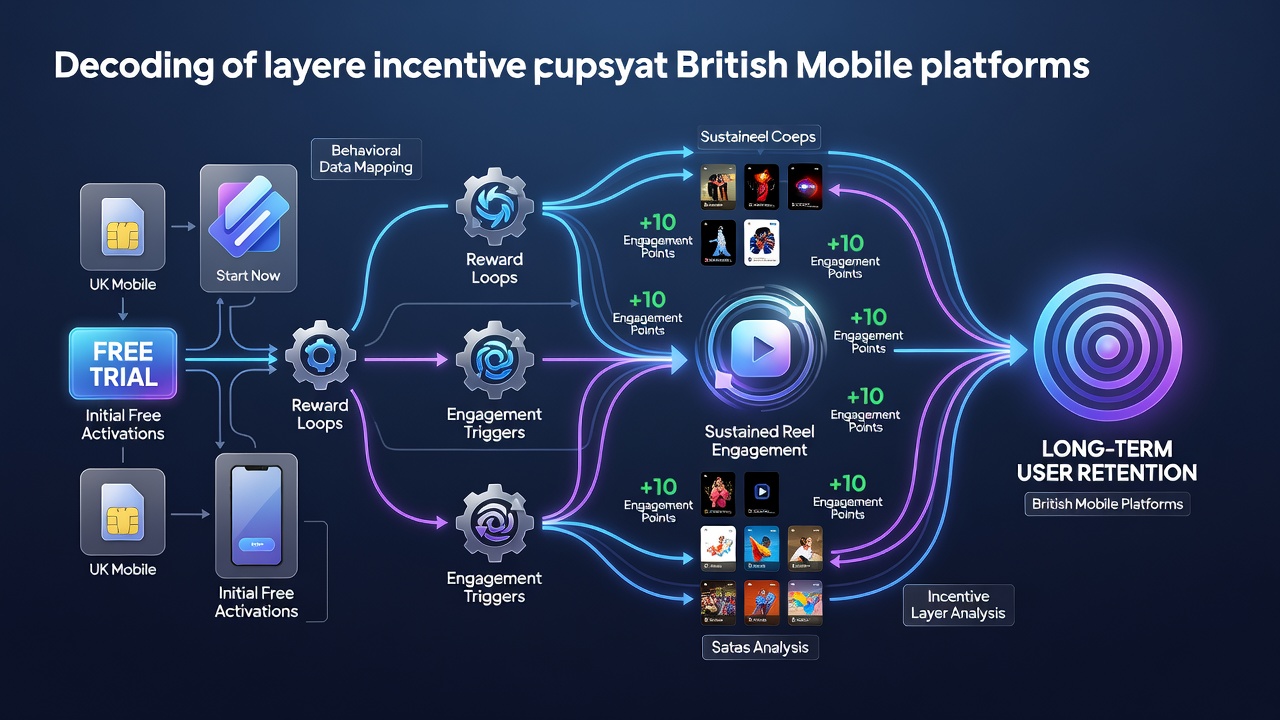
Tracing Multi-Tier Bonus Sequences from Initial Free Triggers to Lasting Mobile Reel Activity Across UK Platforms
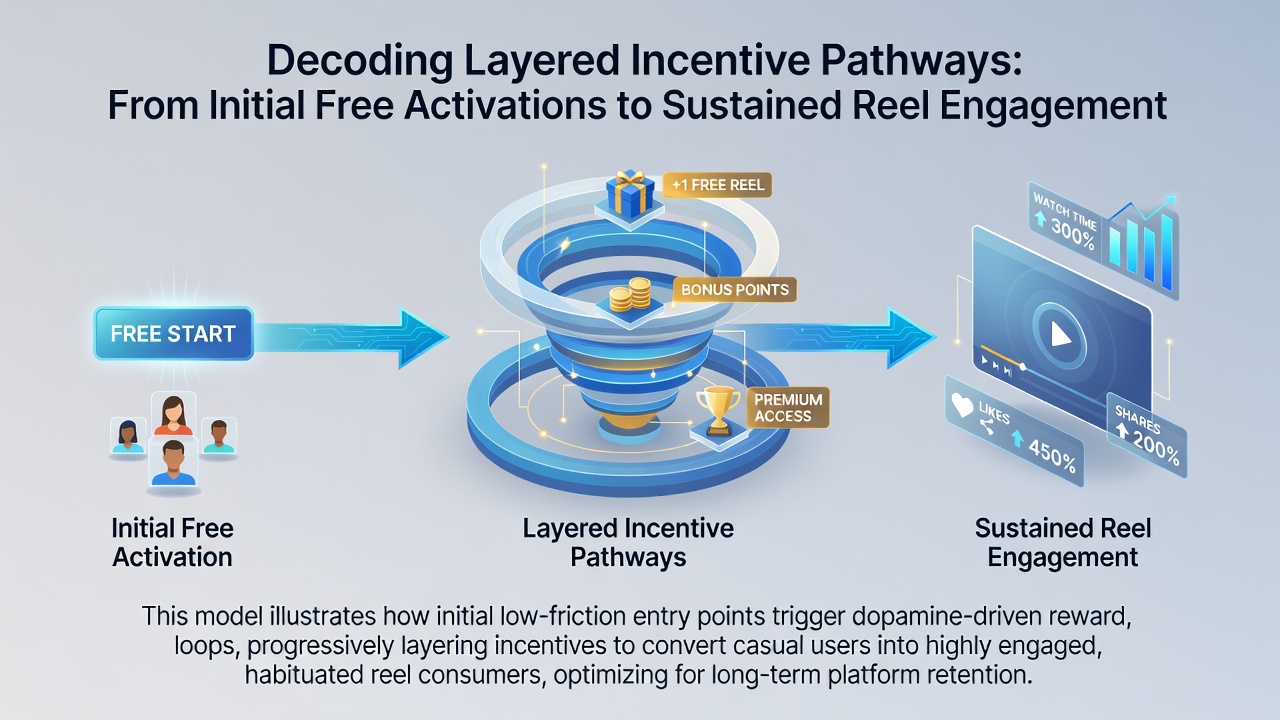
Layered incentive systems on British mobile slot platforms operate through sequenced reward structures that begin with free activations and extend into repeated engagement cycles, and data from industry monitoring services indicate these pathways maintain player sessions over extended periods in 2026. Observers note that operators design initial free spin offers as entry points which transition into deposit-linked matches and progressive loyalty tiers, while analytics from platform providers show increased spin volumes once users advance through the first two layers.
Initial Activation Mechanics on Mobile Interfaces
Free activation prompts appear prominently in app onboarding flows for new accounts registered on British platforms, and these prompts deliver a fixed number of spins without requiring immediate deposits. Research indicates that such triggers connect directly to account verification steps which then unlock secondary match offers once a minimum deposit occurs within a defined window. Those who've studied user progression patterns report that the transition rate from free spins to the first deposit-linked layer reaches notable levels when the interface presents the next reward tier immediately after the free round concludes.
Progressive Layers and Retention Sequences
Once players complete the initial free round, platforms activate match bonus structures that scale with deposit amounts and tie into reel multiplier effects during subsequent sessions, and this layering creates measurable extensions in average session duration. Figures reveal that operators integrate code-based unlocks at the third tier which combine remaining free elements with cashback percentages applied to net losses over weekly periods. What's interesting is how mobile-specific features such as push notifications alert users to approaching tier thresholds, thereby sustaining reel activity without requiring separate logins.
Platform-Specific Pathway Examples in July 2026
In July 2026 several British mobile operators adjusted their layered sequences to align with updated responsible gambling tools, and these adjustments preserved the core progression from free starts to sustained play while adding session limit prompts at each layer transition. One documented case involves an operator that routes users from a ten-spin free activation into a 100 percent match offer capped at a set amount, after which a fourth loyalty tier activates based on total spins completed that month. Data shows these sequences maintain engagement metrics when combined with device-level reminders that highlight remaining progress toward the next reward stage.
Data Patterns Linking Activations to Sustained Play
Industry reports compiled across multiple operators demonstrate that players who advance past the second incentive layer record higher total spin counts over a thirty-day window compared with those who remain at the free activation stage, and academic studies from research institutions in Canada have examined similar retention sequences in digital gaming environments. Those patterns suggest the addition of a third tier featuring secret code redemptions further extends reel engagement by introducing variability in reward timing. Observers note that British platforms incorporate these codes through in-app messages which appear after specific spin milestones, creating additional touchpoints that encourage continued activity.
Regulatory Context from Varied Jurisdictions
Regulatory frameworks in other regions provide comparative context for these layered systems, and information published by the International Association of Gaming Regulators outlines how sequenced bonuses function under different licensing regimes without altering core player progression mechanics. A separate analysis issued by Australian government gambling research units highlights parallels in mobile engagement pathways where initial free elements feed into ongoing deposit structures. These external references confirm that British platforms follow comparable sequencing models while operating within domestic compliance requirements.
Conclusion
Layered incentive pathways on British mobile platforms link initial free activations to sustained reel engagement through clearly defined progression steps that operators monitor via session analytics, and the structures continue to evolve in response to both technological capabilities and cross-jurisdictional regulatory insights. Evidence from multiple sources indicates these sequences produce measurable extensions in play duration when each tier connects seamlessly to the next on the mobile interface.